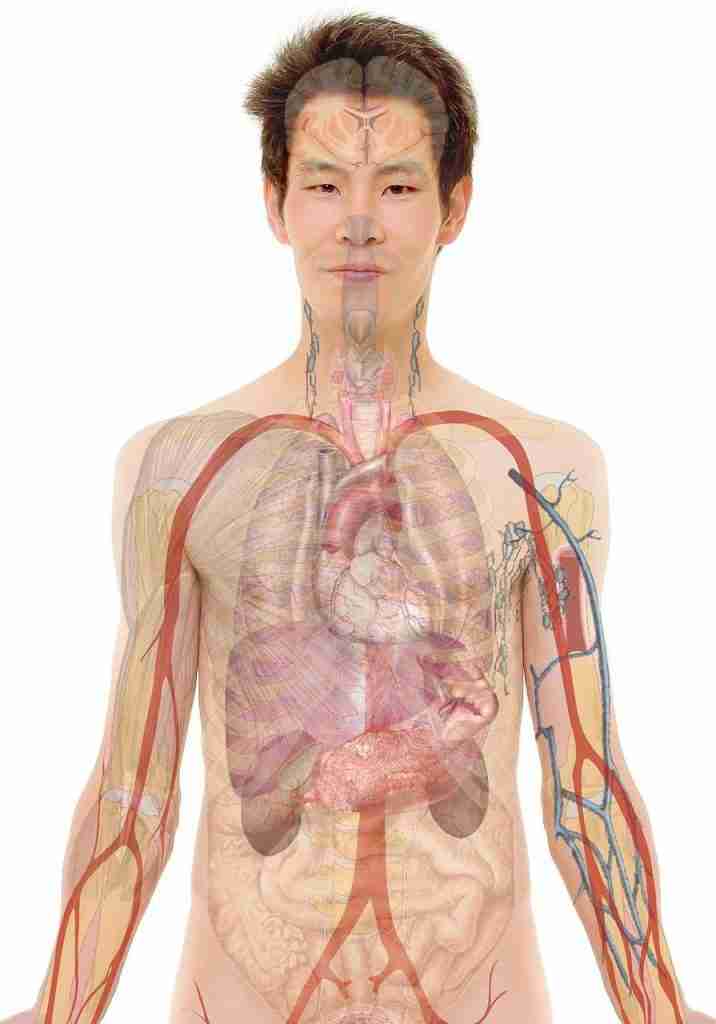
Fact checklist
Top Fun Facts About Human Body | A Voyage of Learning
Amazing Facts About the Human Body
- 01 The human body has 45 miles of nerves.
- 02 Your skin can stretch up to 1.5 times its normal size.
- 03 You blink around 15-20 times per minute, on average.
- 04 Your body has enough DNA to stretch from the Earth to the Sun and back.
- 05 Humans are the only species known to shed emotional tears.
- 06 You have a "gut brain" that communicates with your actual brain.
- 07 Your bones are constantly producing new blood cells.
- 08 Your hair grows faster in warmer weather.
Interesting Facts About the Human Body
- 01 Your left lung is smaller than your right.
- 02 You can produce tears in response to emotional stress.
- 03 Your stomach has to produce new mucus every two weeks.
- 04 Your skin is constantly producing sweat, even if you don't feel it.
- 05 The human body can survive without a spleen.
- 06 Your body has a natural "internal compass" that helps with balance.
- 07 Your lungs are not symmetrical.
Table of Contents
1. Your bones are stronger than steel.
Bone is a living tissue that is both strong and lightweight. The femur, for instance, is stronger than concrete.
Despite their strength, bones are constantly being broken down and rebuilt in a process called remodeling. This ensures they remain durable throughout life.
2. Your heart beats over 100,000 times a day.
The heart pumps blood through your body, delivering oxygen and nutrients to your cells. Each beat is a testament to this organ’s efficiency.
This continuous rhythm supports the entire body’s function, from energy production to waste removal. The heart never rests, working tirelessly day and night.
3. Your stomach gets a new lining every few days.
The stomach’s acidic environment is harsh, so it constantly renews its lining. This helps prevent self-digestion and keeps the stomach protected.
The stomach lining regenerates rapidly, which is essential for digestion. Without this renewal, the harsh acid would damage the stomach itself.
4. The strongest muscle is the masseter (jaw muscle).
READ ALSO: 33 Fun Facts About Stomach | Digestive Powerhouse
In terms of strength relative to its size, the masseter muscle in the human jaw is unmatched.
This muscle, essential for chewing, showcases the efficiency of the human body. Its ability to exert substantial force, essential for breaking down food, is a testament to the human body’s remarkable design.
5. Your skin is the largest organ in your body.
Covering and protecting your internal structures, skin also regulates temperature. It provides the sense of touch and keeps you safe from external factors.
Skin sheds millions of cells daily to make way for new ones. This continuous renewal is crucial for maintaining healthy skin.
6. There are over 600 muscles in the human body.
The muscular system is a marvel, with over 600 muscles working together to enable movement and support the body.
Each muscle, from the tiny ones in our ears to the large ones in our legs, plays a crucial role in daily life and overall mobility.
7. Your bones are constantly being remodeled.
Old bone is broken down and replaced with new bone tissue. This ensures your skeleton remains strong and capable of supporting your body.
Bone remodeling helps regulate minerals like calcium in your body. It’s a constant process that contributes to overall skeletal health.
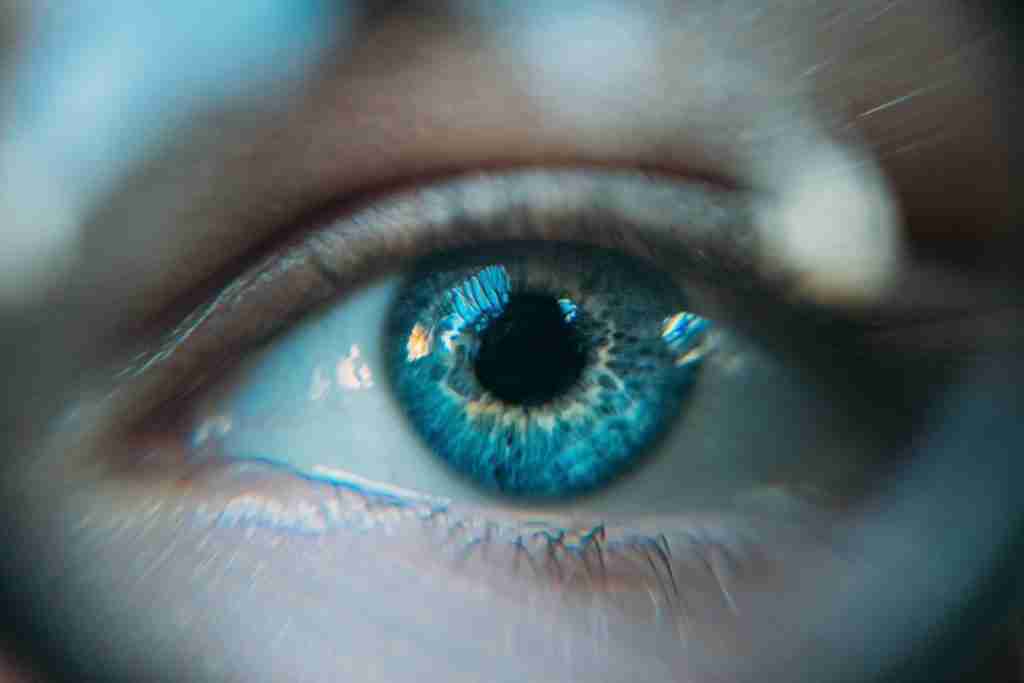
8. Your eyes can distinguish approximately 10 million colors.
READ ALSO: 33 Fun Facts About The Immune System/ How It Works
The human eye is incredibly sensitive to light and color. It allows you to perceive a wide variety of colors in the world around you.
This extraordinary ability is due to the retina, which contains cells that respond to light. These cells send signals to the brain to create visual images.
9. Your body has more than 100,000 miles of blood vessels.
These blood vessels form an extensive network throughout your body. They transport blood to all organs, delivering nutrients and removing waste.
The vascular system is vital for maintaining health. It ensures that every part of your body is well-supplied with oxygen and nutrients.
10. Your brain generates enough electricity to power a low-wattage light bulb.
Neurons communicate with each other through electrical impulses. This constant electrical activity is essential for thinking, movement, and bodily functions.
Your brain uses this energy for cognitive tasks, including memory and problem-solving. This shows just how active your brain is, even when you’re not consciously thinking.
11. Your body contains about 37.2 trillion cells.
Every cell in your body has a specific function, contributing to overall bodily health. These cells work in harmony to perform countless tasks.
The coordination between cells is essential for maintaining body systems. From digestion to immune response, each cell plays a crucial role in survival.
12. Babies are born with 300 bones, and adults have 206.

READ ALSO: 27 Fun Facts About Schizophrenia You Need to Know!
Newborns start with more bones, which fuse as they grow into adults.
This transformation from 300 bones in infants to 206 in adults is a fascinating aspect of human body development. It exemplifies how the human body evolves from infancy to adulthood, adapting to become stronger and more efficient.
13. Bones are ounce-for-ounce stronger than steel.
Our bones’ strength, comparable to steel, is a remarkable feature of the human body.
This strength-to-weight ratio is crucial for supporting the body and facilitating movement. The robust yet lightweight nature of bones is a fundamental aspect of human anatomy and health.
14. Your nose can remember 50,000 different scents.
The olfactory system allows you to detect and recall an impressive range of smells. This sense is deeply connected to memory and emotion.
Scent plays an important role in taste, enhancing the food experience. It’s also linked to emotional responses, which is why a smell can trigger vivid memories.
15. The body produces 1 to 1.5 liters of saliva each day.
Saliva production, an often-overlooked aspect of the human body, plays a key role in digestion and oral health.
This daily production of saliva aids in breaking down food and keeping the mouth healthy. The salivary glands’ function is an important part of our digestive system and overall well-being.
16. Fingernails grow faster on your dominant hand.

READ ALSO: 33 Fun Facts About Mental Health You Should Know
It’s a curious fact about the human body that fingernails on your dominant hand grow more quickly.
This is likely due to increased blood flow and activity in the dominant hand. The difference in growth rates between hands is a subtle reflection of how our body adapts to our daily usage and activities.
17. Your bones are constantly being broken down and rebuilt.
Bone tissue is dynamic and constantly in a state of flux. Old bone is removed by cells called osteoclasts, and new bone is formed by osteoblasts.
This remodeling process is important for maintaining bone density and strength. It also helps regulate calcium levels in the bloodstream.
18. The liver can regenerate itself completely even after 75% removal.
The liver’s ability to regenerate is a remarkable feature of the human body.
Even if three-quarters of it is removed or damaged, it can grow to its full size. This regenerative power is crucial for survival and showcases the resilience of human organs.
19. Your body has its own internal clock.
The circadian rhythm governs your sleep-wake cycle. It regulates many physiological processes, including hormone release and body temperature.
The body’s internal clock syncs with external environmental cues like light. This helps ensure that sleep and activity patterns align with the natural day-night cycle.
20. Human teeth are as strong as shark teeth.

READ ALSO: 25 Fun Facts About The Digestive System: Know Your Guts Secrets
One of the more surprising facts about the human body is the strength of our teeth.
Comparable to the fearsome shark teeth, our teeth are built to last and endure considerable stress. This strength, primarily due to the enamel, plays a crucial role in our overall health and well-being.
21. Your bones store about 99% of your body’s calcium.
Calcium is essential for strong bones and proper nerve function. The bones act as a reservoir, releasing calcium when the body needs it.
This calcium storage helps regulate bone density and supports heart and muscle function. It’s an essential feature for maintaining overall health.
22. Your heart beats about 100,000 times a day.
The heart pumps blood through the circulatory system, ensuring that oxygen and nutrients reach every cell. This constant motion keeps the body alive and active.
Every heartbeat delivers the blood needed for energy production. It’s an essential function that supports every other part of your body.
23. Your skin sheds millions of cells daily.
The skin is in a constant state of regeneration. Dead skin cells are shed and replaced by fresh ones to maintain the skin’s protective barrier.
This process allows the skin to heal itself from minor injuries. It also helps in maintaining the skin’s appearance and overall health.
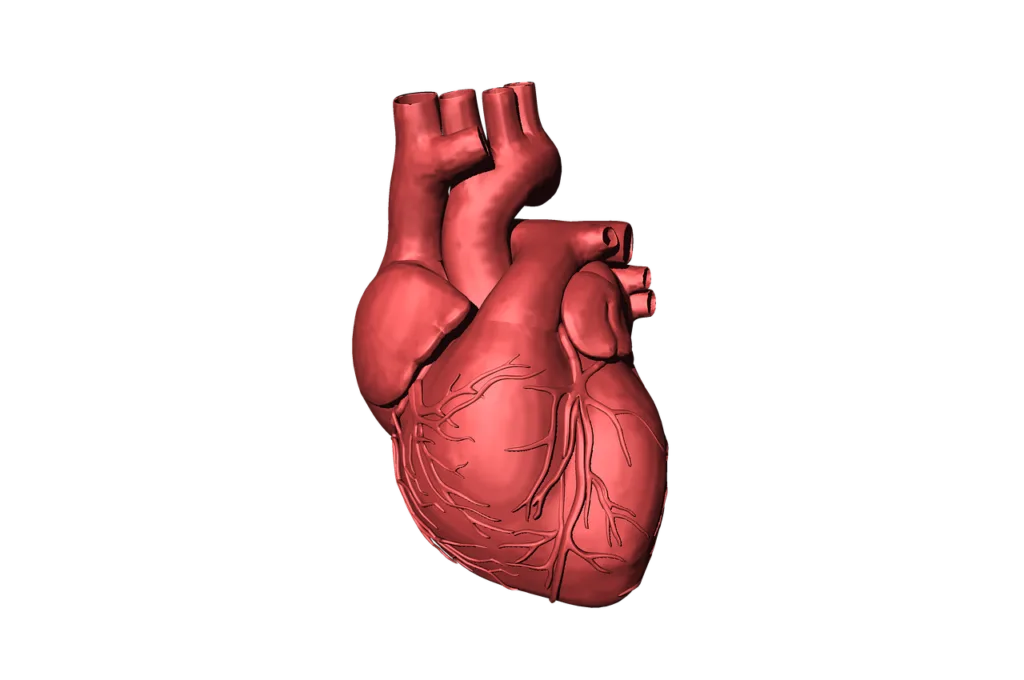
24. The heart beats over 100,000 times a day.
READ ALSO: 26 Fun Facts About Protein That Will Make You Think Twice
The human heart’s relentless activity, beating more than 100,000 times daily, is essential for circulating blood and maintaining life.
This tireless workhorse of the human body is crucial for delivering nutrients and oxygen to various tissues. The heart’s ability to sustain this rhythm day in and day out is nothing short of amazing.
25. Your body has more than 100,000 miles of blood vessels.
These vessels form an intricate network throughout your body. They ensure that every tissue receives the nutrients and oxygen it needs to function.
The blood vessels also play a vital role in waste removal. They transport carbon dioxide and other waste products back to the organs responsible for excretion.
26. Your brain is sometimes more active when you’re asleep than when you’re awake.
During sleep, the brain consolidates memories and strengthens neural connections. This process is vital for learning and memory retention.
Sleep allows the brain to perform maintenance tasks, like cleaning up waste products. It’s crucial for cognitive function and overall well-being.
27. Your body contains about 37.2 trillion cells.
These cells perform countless essential tasks that keep you alive and healthy. They work in unison to support the function of every system in your body.
Each cell has a specific role, whether it’s delivering oxygen or fighting infections. Their coordinated efforts ensure the body operates efficiently.
28. Tongue prints are as unique as fingerprints.

READ ALSO: 21 Facts About Yawning You Didn’t Know
Just like fingerprints, each person’s tongue print is unique.
This fact about the human body underscores the uniqueness of individual physical traits. Tongue prints could potentially be used for identification purposes, although they are not as commonly used as fingerprints.
29. Your body has its own internal clock.
Your internal clock, or circadian rhythm, regulates a wide range of bodily functions. These include sleep cycles, hormone production, and body temperature.
The circadian rhythm helps synchronize your body’s biological processes with the 24-hour day. This ensures optimal functioning of various bodily systems.
30. Your bones store about 99% of your body’s calcium.
Calcium is vital for bone health and proper function. It is stored in the bones and released into the bloodstream when needed.
This storage system helps ensure that your bones remain strong. It also supports functions like nerve signaling and muscle contraction.
FAQs
What is 90% of your body made of?
About 90% of your body is made of water. Water is essential for most bodily functions, such as digestion, nutrient absorption, and temperature regulation. It also helps transport nutrients and oxygen to cells while removing waste products
What organs are located on the left side of your body?
On the left side, you will find the heart (partially), the left lung, the spleen, part of the stomach, and the left kidney. These organs are vital for circulation, digestion, and waste removal. The left side is crucial for overall bodily functions and houses some key organs of the lymphatic and digestive systems.
What does God call the human body?
In many religious texts, God refers to the human body as a “temple.” This symbolizes the sacredness and sanctity of the human body, highlighting the importance of treating it with respect. The idea suggests that the body is a vessel for the spirit and should be cared for and honored.
What is the function of bile juice?
Bile, produced by the liver and stored in the gallbladder, helps in digesting fats. It emulsifies fat molecules, making them easier to absorb in the small intestine. Bile also aids in the absorption of fat-soluble vitamins (A, D, E, and K) and helps neutralize stomach acid entering the small intestine
What does the small intestine do?
The small intestine is responsible for most of the digestion and absorption of nutrients. It breaks down food with enzymes and absorbs nutrients into the bloodstream through its villi and microvilli. It also plays a key role in regulating the movement of food to the large intestine, ensuring optimal digestion and nutrient uptake.
More facts about people
For more about what makes us unique, read these fun facts about people.
More baby body facts
For a look at how life begins, explore these fun facts about newborns.
More facts about life
The human body is part of a bigger story; continue with these fun facts about life.