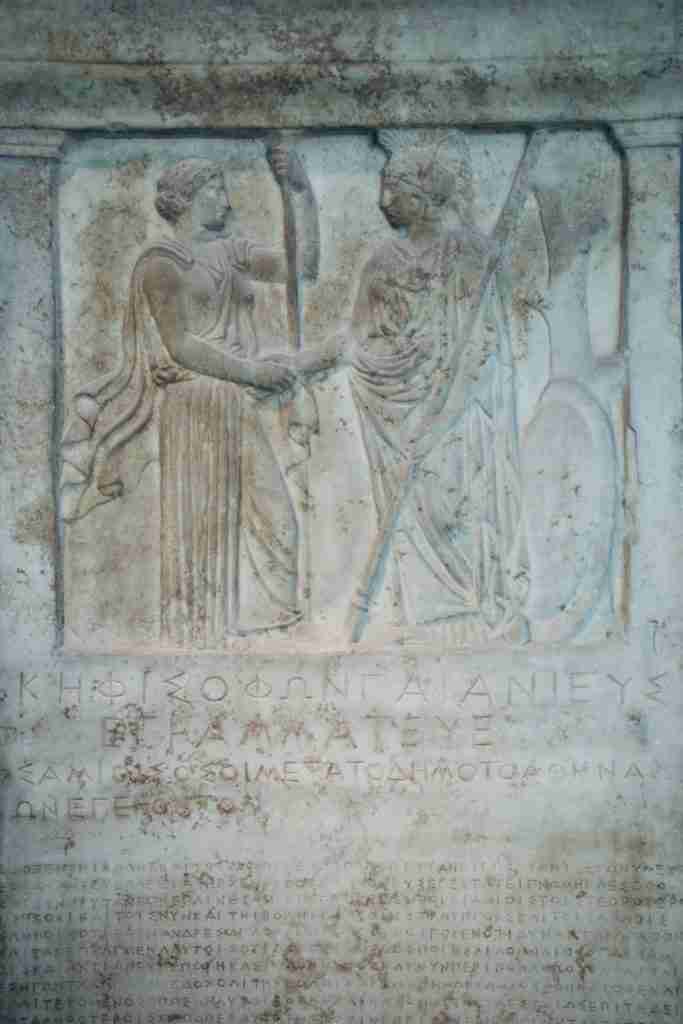
Fact checklist
Top Fun Facts About Hera | Secrets of Zeus’s Wife
Top Fun Facts About Hera
- 01 Hera bathed in a magic spring to restore her youth and beauty.
- 02 She offered golden apples, a symbol of immortality, to trick a shepherd.
- 03 The peacock's feathers symbolized her watchfulness and all-seeing nature.
- 04 Hera once wore a crown made of lettuce, associated with sleep and calmness.
- 05 Hera was also a protector of women and childbirth, not just marriage.
- 06 She competed with her brother Poseidon for control of the city of Argos.
- 07 Hera was sometimes depicted riding in a chariot pulled by rainbow-colored horses.
- 08 Several mountains in Greece were considered sacred places for her worship.
Random Facts About Hera
- 01 Hera wasn't invited to Zeus's first wedding!
- 02 She sent snakes and monsters to torment her rivals and their children.
- 03 Hera begrudgingly helped raise Hephaestus, who was born deformed.
- 04 A cult worshipped Hera as a fertility goddess holding a pomegranate.
- 05 Hera once borrowed Aphrodite's girdle to make herself more attractive to Zeus.
- 06 Spilled milk from Hera's breast was said to create the Milky Way galaxy.
- 07 The cuckoo bird was sacred to Hera, linked to rebirth and new beginnings.
Table of Contents
1. Hera’s sacred animals are the peacock and the cow.
Hera is closely associated with the peacock and the cow. Peacocks symbolize her regality and majesty, while cows represent her nurturing and motherly nature.
The vibrant feathers of the peacock are seen as representations of Hera’s divine presence, and the cow symbolizes fertility and abundance.
2. Hera is the goddess of marriage and family.
As the goddess of marriage, Hera embodies the ideals of marital fidelity, commitment, and the sacred bond between spouses. She is often invoked by couples seeking blessings for their union.
Additionally, Hera oversees childbirth, supporting women during pregnancy and labor, reinforcing her role as a protector of fundamental aspects of human life.
3. Hera is known for her jealousy.
Hera’s jealousy towards Zeus’s numerous affairs is a prominent aspect of her mythology. She often took vengeance on his lovers and their children.
This trait highlights her complex emotions and determination to maintain her position as the queen of the gods.
4. Hera is the queen of the gods.
READ ALSO: 23 Facts about Black History Month | Surprising Origins
Hera holds the title of queen of the gods in Greek mythology, symbolizing her supreme authority. She is also the wife and sister of Zeus, the king of the gods.
This relationship highlights the union of heaven and earth, showcasing their significant influence over gods and mortals alike.
5. The Heraion was a famous temple dedicated to her.
The Heraion, located in Argos, Greece, was one of the largest and oldest temples dedicated to Hera. It served as a significant center for her worship.
This temple attracted devotees from various regions, reflecting the importance of Hera within ancient Greek religion and culture.
6. Hera’s Roman counterpart is Juno.
In Roman mythology, Hera’s equivalent is Juno, who shares many of her attributes, including her role as queen of the gods and her association with marriage and childbirth.
Despite cultural differences, Juno’s stories and attributes closely mirror those of Hera, underscoring her significance in both Greek and Roman mythology.
7. Hera played a role in the birth of Heracles.
Hera’s jealousy towards Heracles, a son of Zeus with a mortal woman, led her to attempt to kill him numerous times during his life.
Despite her efforts, Heracles survived, and his myth highlights Hera’s complex relationship with her husband’s offspring.
8. The Heraia festival was held in her honor.

READ ALSO: 22 Fun Facts About Utah | Historical Tidbits
The Heraia was an all-female athletic competition held every four years in ancient Greece to honor Hera. The competition consisted primarily of foot races for unmarried women.
This festival celebrated Hera’s influence and was an important cultural event that emphasized her role in society.
9. Hera was raised by Oceanus and Tethys.
As a child, Hera was raised by the ocean deities Oceanus and Tethys to protect her from her father, Cronus. This upbringing influenced her nurturing nature.
Hera’s foster parents played a significant role in her development, and she later attempted to reconcile them during their conflicts.
10. Hera’s emblem is the peacock.
The peacock, created from the eyes of her enemy Argus, is Hera’s emblem. It represents her all-seeing wisdom and vigilance.
Peacocks symbolize Hera’s regality and her protective nature, making them a fitting symbol for the queen of the gods.
11. Hera had significant temples across Greece.
Hera was worshipped widely across Greece, with significant temples and festivals dedicated to her. Her main temples were in Argos, Sparta, and Mycenae.
These worship practices highlight Hera’s importance and the reverence she received in ancient Greek religion.
12. Hera had a vengeful nature.

READ ALSO: 27 Fun Facts About Bahamas | Rum, Reefs, Revelry
Hera is often portrayed as a vengeful goddess who punished Zeus’s mistresses and their children. This aspect of her personality underscores her protective instincts.
Despite her negative portrayal, Hera’s actions were driven by a desire to maintain her status and protect her domain.
13. Hera had several symbolic associations.
In addition to the peacock, Hera is associated with several other symbols, including the cow, cuckoo bird, diadem, scepter, and lily flower.
These symbols reflect her various attributes, such as her role as a mother, protector, and queen of the gods.
14. Hera was tricked by Zeus into marrying him.
Zeus transformed himself into a distressed cuckoo to gain Hera’s sympathy. When she took the bird in to comfort it, Zeus revealed his true form and took advantage of her.
Feeling ashamed, Hera agreed to marry him, marking the beginning of their complex relationship as king and queen of the gods.
15. Hera often intervened in childbirth
Hera had a significant influence on childbirth, sometimes causing difficulties for those she disliked. She delayed the birth of Heracles and cursed Leto, forcing her to give birth on a floating island.
This interference highlights Hera’s control over birth and her vengeful nature towards her rivals and their offspring.
16. Hera had a strong bond with her stepson Hermes.

READ ALSO: 27 Fun Facts About Thanksgiving You Never Knew
Hermes, the son of Zeus and Maia, tricked Hera into nursing him by posing as Ares. By the time Hera realized the switch, she had already formed a bond with Hermes.
This bond showcases Hera’s complex relationships with Zeus’s children from other unions.
17. Many of Hera’s children were destructive in nature.
Ares, Eris, and Enyo, children of Hera, were associated with war and discord. Ares embodied aggressive war, Eris represented discord, and Enyo was linked to war’s destructive aspects.
The nature of her children reflects Hera’s own fierce and protective personality.
18. Hera had children without Zeus.
Hera is said to have conceived some children without Zeus, like Hephaestus and Typhon. Hephaestus was born without Zeus’s involvement, and Typhon is sometimes considered to have no father.
These stories emphasize Hera’s independence and power as a goddess.
19. Hera had a unique idea of gifts.
Hera granted her faithful attendant Cydippe’s wish for her sons, Kleobis and Biton, to receive the best gift. Hera put them into a peaceful eternal sleep, believing death to be the ultimate gift.
This act reflects Hera’s unique perspective on life and reward.
20. Hera and Zeus’s wedding was legendary.
READ ALSO: 26 Fun Facts About Pirates | Sailing the Seas
Their wedding caused flowers to sprout spontaneously, symbolizing the union of heaven and earth. However, when a nymph named Chelone refused to attend, Zeus turned her into a tortoise.
This myth highlights the grandeur and seriousness of their divine marriage.
21. Hera was considered one of the most beautiful goddesses.
Hera’s beauty was renowned among the gods, and she took pride in her appearance. She often wore a high crown to enhance her looks.
Her vanity led to conflicts, such as when she turned Antigone’s hair into snakes for claiming to be more beautiful than her.
22. Hera was vengeful towards her rivals.
Hera’s jealousy extended to punishing Zeus’s lovers and their children. She transformed Lamia into a monster and tormented Leto, preventing her from giving birth on solid land.
These actions underline Hera’s fierce protectiveness over her marriage and status.
23. Hera had several sacred animals.
Among Hera’s sacred animals were the peacock, cow, and lion. The peacock’s eye-like feathers symbolized her watchfulness, and the cow represented her nurturing qualities.
The lion, associated with her mother’s chariot, added to her regal imagery.
24. Hera was worshipped in various forms.

READ ALSO: 26 Fun Facts About Halloween | Behind the Mask
Hera was worshipped as a virgin, a matron, and a widow, reflecting different aspects of womanhood. The triple shrine in Stymphalia honored these phases of her life.
These forms highlight Hera’s multifaceted role in Greek mythology.
25. Hera played a crucial role in the Trojan War.
Hera sided with the Greeks during the Trojan War, driven by her grudge against Paris for choosing Aphrodite as the most beautiful goddess. Her support was pivotal in the Greeks’ victory.
This involvement underscores Hera’s influence in divine and mortal conflicts.
26. Hera cursed Io to wander the earth.
When Zeus turned Io into a cow to protect her from Hera, the goddess was not deceived. She had Argus guard Io and later sent a gadfly to torment her across the world.
This myth illustrates Hera’s relentless pursuit of Zeus’s lovers.
FAQs
What is the Heian dynasty?
The Heian dynasty refers to the period in Japanese history from 794 to 1185 AD, marked by the establishment of the capital in Heian-kyō (modern-day Kyoto). This era is known for its cultural achievements, including advancements in literature, art, and courtly life. The Heian period is often considered a high point in Japanese culture, especially noted for works like The Tale of Genji.
Who is Hera in Greek mythology?
Hera is a prominent goddess in Greek mythology, known as the queen of the gods and the wife of Zeus. She is the goddess of marriage, women, childbirth, and family. Hera is often depicted as a jealous and vengeful deity, particularly towards Zeus’s lovers and illegitimate offspring.
What is Hera’s Roman name?
Hera’s Roman name is Juno. In Roman mythology, Juno holds similar roles to Hera, being the goddess of marriage and the queen of the gods. She is also considered a protector of the state and women, particularly in their roles as wives and mothers.
Who is the Greek goddess of marriage?
The Greek goddess of marriage is Hera. She is the wife of Zeus and is known for her role as the protector of marriage and women. Hera is often depicted as a regal woman, symbolizing marital fidelity and the sanctity of marriage.
Who is the goddess Hera?
Hera is a major deity in Greek mythology, known as the queen of the gods and the goddess of marriage and family. She is the sister and wife of Zeus and is often portrayed as majestic and solemn, wearing a crown and holding a scepter. Hera is known for her jealous and vengeful nature, especially against Zeus’s lovers and their children.