
Fact checklist
Top Interesting Facts About Fruits That Will Amaze You
Top Facts About Fruits
- 01 The strawberry is not a true berry, but a u0022pseudo-berry.
- 02 The pineapple is not a single fruit, but a composite of many small berries fused together. The avocado is actually a large berry.
- 03 Apples come in over 7,500 different varieties.
- 04 The pomegranate is one of the oldest known fruits, with evidence of cultivation dating back to ancient civilizations.
- 05 The kiwi fruit originated in China, but is now named after the national bird of New Zealand.
- 06 The orange is the most popular fruit in the world.
- 07 The banana is actually classified as an herb, not a fruit.
- 08 The durian fruit is banned from public transportation and hotels in some Southeast Asian countries due to its strong odor.
Random Facts About Fruit
- 01 The lemon is a cross between a sour orange and a citron.
- 02 The grapefruit got its name because it grows in clusters like grapes.
- 03 The fig is not a fruit, but an inverted flower.
- 04 The watermelon is 92% water, making it one of the most hydrating fruits.
- 05 The blueberry is a superfood and is among the fruits with the highest antioxidant levels.
- 06 The cranberry is one of the few fruits native to North America.
- 07 The pear is a member of the rose family.
1. Fruits contain vitamins, minerals, and antioxidants that boost health.
Fruits are rich sources of essential vitamins, minerals, and antioxidants that contribute to overall health by supporting immune function, promoting skin health, aiding digestion with fiber, and reducing the risk of chronic diseases through their potent antioxidant properties.
Blueberries are an excellent example of a fruit that acts as an antioxidant.
They contain high levels of antioxidants such as anthocyanins, which help protect cells from damage and reduce inflammation in the body.
2. There are over 500 known species of blackberries.
The realm of blackberries boasts over 500 diverse species, ranging in flavor, size, and habitat, from wild varieties in remote landscapes to cultivated forms prized for their sweetness and adaptability across different climates worldwide.
Blackberries boast over 1,000 species with diverse flavors and uses, including their juice as a historic fabric dye. Classified as aggregate fruits, blackberries consist of many drupelets.
Surprisingly, coconuts, peaches, and pineapples are botanically berries, developing from a single ovary and containing seeds within their pulp, highlighting the complexity of fruit morphology.
3. Strawberries are the only fruit with seeds on the outside.
Strawberries are unique among fruits because their seeds are on the outside rather than inside. Each strawberry typically has about 200 seeds dotting its surface.
These seeds are actually tiny individual fruits, each with its own seed inside, making strawberries an interesting example of fruit anatomy and development.
This external seed arrangement sets strawberries apart from most other fruits.
4. Pineapples were once so rare and expensive that they became symbols of wealth and hospitality.

READ ALSO: 20 Fun Facts About Vegetables | Prepare to Be Amazed
Pineapples were extremely rare and costly in the past, making them symbols of wealth and hospitality. Their rarity was due to the difficulty of cultivating and transporting them from tropical regions to Europe and North America.
As a result, owning or displaying a pineapple was seen as a status symbol among the wealthy. Hosts would sometimes rent pineapples for display at events to impress their guests.
This association with luxury and generosity led to the pineapple becoming a lasting emblem of hospitality, still seen in decorative motifs today.
5. Apples are 25% air, which explains why they float in water.
Apples are composed of approximately 25% air by volume, which explains their ability to float in water. This high air content is due to the apple’s cellular structure, which includes numerous air pockets within its flesh.
These air pockets reduce the apple’s overall density, making it less dense than water. As a result, when you place an apple in water, the air within these pockets provides buoyancy, causing the apple to float.
This characteristic not only makes apples an interesting fruit but also serves as a simple and fun science demonstration of density and buoyancy principles.
6. Dragon Fruit is rich in vitamin C and is believed to help reduce acne.
Dragon fruit is a vibrant and nutrient-dense fruit known for its high vitamin C content. Vitamin C is an essential antioxidant that helps protect the skin from damage by free radicals, promotes collagen production, and supports the immune system.
These properties contribute to healthier skin, potentially reducing acne. Vitamin C’s anti-inflammatory effects can calm irritated skin and reduce redness, making dragon fruit a beneficial addition to a skin-friendly diet.
Additionally, its hydrating properties can keep the skin moisturized and balanced.
7. Mango trees can reach impressive heights, growing up to 100 feet tall.

READ ALSO: 25 Fun Facts About Apples | Crunching into Curiosities
Mango trees, known for their delicious tropical fruit, can grow to remarkable heights of up to 100 feet. These towering trees thrive in warm, tropical climates and can live for over 100 years, producing fruit for many decades.
The tall stature of mango trees also makes them prominent features in landscapes, contributing to the lush, green scenery typical of tropical regions. This impressive growth reflects the tree’s adaptation to its environment and its long-term viability.
Their substantial height allows them to spread wide canopies that provide ample shade and support the growth of numerous mangoes.
8. Kiwis were originally known as Chinese Gooseberries.
Kiwis, now known for their distinct green flesh and tangy taste, were originally called Chinese Gooseberries. This name reflects their origins in China, where they were first cultivated.
The name change occurred in the mid-20th century when New Zealand growers began exporting the fruit and rebranded it to increase its market appeal. They chose “kiwi” after New Zealand’s native flightless bird, symbolizing their country’s identity.
This rebranding helped boost the fruit’s popularity globally, transforming it into a beloved and widely recognized fruit.
9. Jackfruit is the largest tree fruit in the world.
Jackfruit holds the title for producing the largest tree fruit in the world. These massive fruits can weigh up to 80 pounds and grow up to 36 inches in length. Jackfruits have a distinctive, spiky exterior and a sweet, fibrous interior that can be eaten raw or cooked.
The sheer size of the fruit reflects its evolutionary adaptation to tropical climates, where it thrives.
Its large size also makes it a valuable food source in many cultures, capable of feeding many people from a single fruit.
10. Coconut water can be used as a substitute for blood plasma in emergencies.
Coconut water has been used as a substitute for blood plasma in emergencies because it is sterile, has a similar electrolyte composition, and is easily absorbed by the human body. During World War II and in some remote areas with limited medical supplies, doctors have used coconut water intravenously when intravenous (IV) saline solutions were unavailable.
Its isotonic nature means it closely matches the osmotic pressure of human blood, making it a viable short-term solution in critical situations.
However, this practice is rare today and used only in extreme emergencies when no other options are available.
11. When sliced, starfruit forms star-shaped pieces, which is how it gets its name.
Starfruit, also known as carambola, gets its name from the unique shape it forms when sliced. Each cross-section of the fruit resembles a five-pointed star, making it visually appealing and distinctive.
This star-like appearance not only makes it a popular choice for garnishes and decorative presentations in culinary dishes but also adds an element of fun to eating healthy.
The fruit’s crisp texture and sweet-tart flavor further enhance its appeal, making it a favorite in many tropical and subtropical regions.
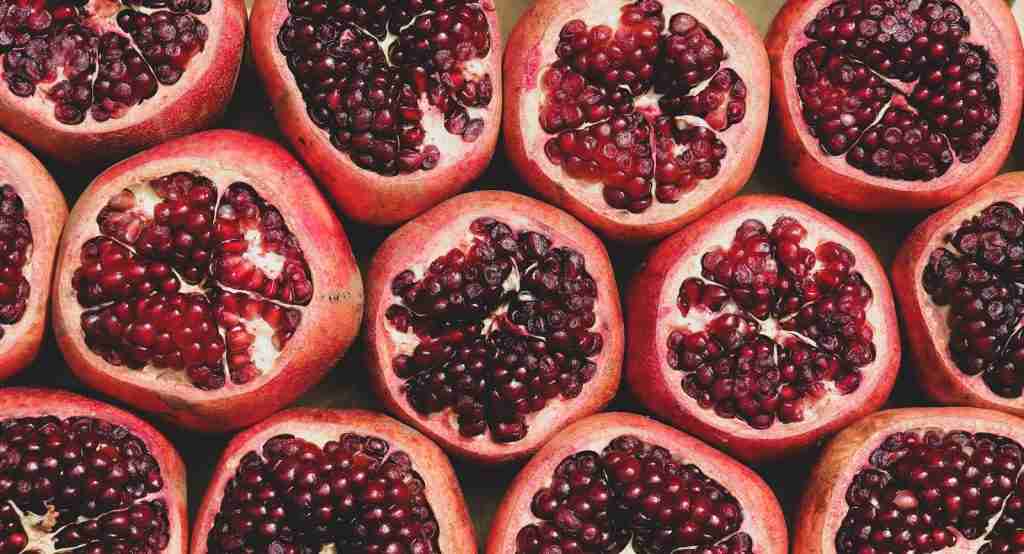
12. Pomegranates contain exactly 840 seeds on average.
READ ALSO: 25 Fun Facts About Spinach: A Nutritious and Delightful Superfood
Pomegranates are known for their abundance of seeds, with each fruit containing an average of 840 seeds, also known as arils. These seeds are encased in juicy, red pulp and are packed with vitamins, antioxidants, and fiber.
The large number of seeds within each pomegranate contributes to its reputation as a symbol of fertility and abundance in various cultures.
The seeds’ sweet-tart flavor and nutritional benefits make pomegranates a popular choice for both culinary and health purposes.
13. Lemons contain more sugar than strawberries.
Despite their sour taste, lemons actually contain more sugar than strawberries. The difference lies in the perception of taste due to the high acid content in lemons, which masks the sweetness.
Lemons have about 2.5 grams of sugar per 100 grams, while strawberries have about 4.9 grams of sugar per 100 grams.
However, the high acidity in lemons creates a tart flavor that overpowers the sweetness, making them taste much less sweet than strawberries, which have a more balanced ratio of sugar and acidity, giving them their sweet taste
14. One amazing fact about ‘Durian’ is it is known as the king of fruits.
Durian, often referred to as the “king of fruits,” is renowned for its distinctive, creamy texture and complex flavor, which ranges from sweet to savory. Despite its prized status, durian is also infamous for its strong, pungent odor, which has led to it being banned in many hotels and public transportation systems in Southeast Asia.
The fruit’s unique characteristics make it a cultural icon and a topic of intrigue for both locals and adventurous eaters worldwide.
15. Guava has more vitamin C than oranges.
Guava is a tropical fruit that boasts exceptionally high levels of vitamin C, surpassing the amount found in oranges. On average, a single guava contains about four times the vitamin C content of an orange.
Its high vitamin C content also helps in collagen synthesis, wound healing, and fighting off infections, making it a powerful addition to a healthy diet.
This makes guava an excellent fruit for boosting the immune system, promoting healthy skin, and enhancing overall well-being.
16. Grapes are used to make wine, which dates back to around 6000 BC.
READ ALSO: 23 Fun Facts About Cucumbers | Secrets Revealed
Grapes have been used to make wine for thousands of years, with evidence of winemaking dating back to around 6000 BC. Ancient archaeological findings from regions like Georgia and Iran show early examples of grape fermentation.
This long history of viticulture highlights the importance of grapes in human culture and agriculture. Over millennia, the techniques of winemaking have evolved, leading to the diverse range of wines enjoyed today.
The enduring tradition of turning grapes into wine underscores the fruit’s significant role in social, religious, and culinary practices throughout history.
17. Mangosteen is Known as the “Queen of Fruits.
Mangosteen, often referred to as the “Queen of Fruits,” is celebrated for its exquisite taste and numerous health benefits. Native to Southeast Asia, this tropical fruit has a sweet, tangy flavor and a juicy, segmented interior. The rind of the mangosteen contains xanthones, powerful antioxidants that contribute to its reputation for promoting good health.
Historically, mangosteen has been prized not only for its delicious taste but also for its medicinal properties, used in traditional medicine to treat various ailments.
Its regal title reflects both its esteemed status in culinary circles and its revered place in traditional health practices.
18. Coffee beans are actually seeds, not beans, derived from fruit pits.
Coffee beans are not beans; they are seeds found inside the fruit pits of the coffee plant. The coffee plant produces small, red or purple fruits known as coffee cherries. Each cherry typically contains two seeds, which are the coffee “beans” used to brew coffee.
These seeds are extracted from the fruit, processed, and roasted to create the coffee we drink.
Despite being called beans, their true botanical classification is seeds, highlighting an interesting aspect of their origin.
19. Humans share 50% of their DNA with bananas.
Humans share 50% of their DNA with bananas. This surprising genetic overlap highlights all living organisms’ common biological foundations. Despite the vast differences between humans and bananas, both species utilize similar genes for basic cellular functions such as growth, development, and reproduction.
This genetic similarity underscores the interconnectedness of life on Earth and provides insights into the evolutionary processes that shape diverse life forms.
It also emphasizes the role of certain genes in fundamental life processes across different species.
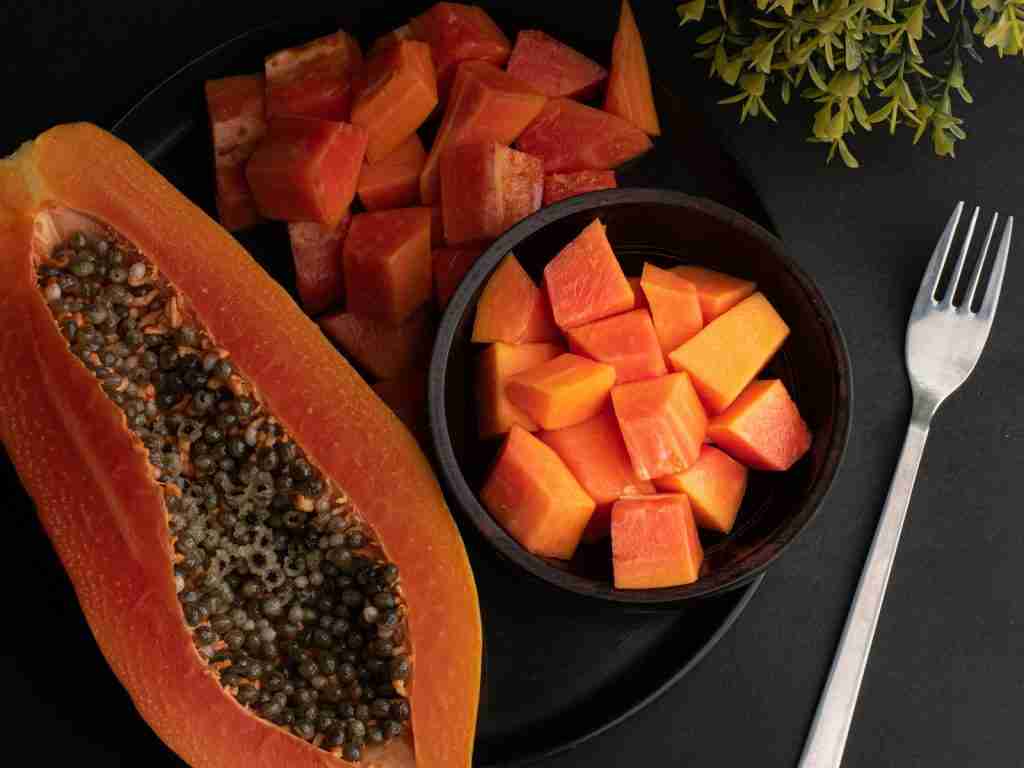
20. Papayas contain an enzyme called ‘papain’.
READ ALSO: 26 Fun Facts About Lemons: Get a Vitamin C Kick
Papayas are rich in papain, an enzyme renowned for breaking down proteins. This enzyme is often used in meat tenderizers to soften tough meat fibers.
In addition to its culinary uses, papain is also utilized in various medicinal and cosmetic products for its anti-inflammatory properties and ability to aid digestion.
This makes papayas a nutritious fruit and a valuable resource in cooking and health-related applications.
21. Breadfruit can be boiled, roasted, or fried, having a starchy, potato-like texture.
Breadfruit can be boiled, roasted, or fried, each method bringing out its unique flavors. When boiled, it becomes tender and can be mashed or added to soups. Roasting breadfruit gives it a slightly smoky taste with a crispy exterior.
Fried breadfruit develops a golden-brown crust and a soft, creamy interior. Its starchy, potato-like texture makes it a versatile ingredient in various dishes.
22. The Buddha’s hand citron is a fragrant citrus fruit with finger-like protrusions and little to no flesh.
The Buddha’s hand citron is a fragrant citrus fruit with finger-like protrusions and little to no flesh. Its unique shape makes it visually striking, often resembling a hand with outstretched fingers.
Unlike other citrus fruits, it has a thick peel and is mostly composed of rind. The fruit is highly aromatic, with a lemon-like fragrance that is often used in
23. Duku, a hairy relative of the rambutan, has a sticky, translucent flesh with a sweet and tangy flavor.
Duku, a hairy relative of the rambutan, has a sticky, translucent flesh with a sweet and tangy flavor. Its outer skin is covered in soft, hair-like structures, giving it a unique and distinctive appearance. When peeled, the fruit reveals its juicy and succulent interior, divided into several segments. Each segment contains a tiny, inedible seed.
The flavor of duku is a delightful blend of sweetness and tanginess, making it a popular choice for fresh consumption. It is often enjoyed independently or added to fruit salads and desserts.
24. Jaboticaba trees grow fruit directly on their trunks, looking like giant purple marbles.

READ ALSO: 25 Fun Facts About Grapes | It’s Not What You Think
Jaboticaba trees grow fruit directly on their trunks, creating a striking visual effect as the fruits look like giant purple marbles. The dark, glossy berries cluster along the bark, adorning the tree with natural ornaments. When ripe, the jaboticaba fruit has a thick, purplish-black skin that encases a sweet, translucent pulp.
The flavor is often compared to a combination of grape and lychee, offering a unique and enjoyable taste experience. These fruits are typically eaten fresh but can also be used to make jams, jellies, and wines. The jaboticaba tree is native to Brazil and is highly valued not only for its fruit but also for its ornamental appeal.
25. The cherimoya, also known as the custard apple, has a heart-shaped fruit with creamy, sweet flesh and black seeds.
The cherimoya, the custard apple, has a heart-shaped fruit with creamy, sweet flesh and black seeds. Its green, scaly skin is easily peeled away to reveal the luscious, white interior. The flesh has a smooth, custard-like texture and a flavor that blends banana, pineapple, and strawberry notes.
The numerous black seeds embedded in the flesh are inedible and should be removed before eating. Cherimoya is often enjoyed fresh, scooped out with a spoon, or added to fruit salads and desserts. This tropical fruit is prized for its unique taste and creamy consistency.
FAQS
Which fruit is good for the skin?
Several fruits are particularly beneficial for skin health due to their high content of vitamins, antioxidants, and hydration properties. For example, oranges and other citrus fruits are rich in vitamin C, essential for collagen production and skin elasticity. Avocados are packed with healthy fats and vitamin E, helping to keep skin moisturized and protected from oxidative damage. Berries, like blueberries and strawberries, contain antioxidants that combat free radicals and promote a youthful appearance. Regularly consuming these fruits can contribute to glowing, healthy skin.
Can I eat fruits every day?
You can and should eat fruits daily as part of a balanced diet. Fruits are rich in essential vitamins, minerals, and fiber, crucial for maintaining good health. They provide natural sugars and antioxidants that help protect against chronic diseases. Eating various fruits ensures you get a range of nutrients and benefits.
Is sugar in fruit bad?
The sugar in fruit is not bad when consumed in moderation as part of a balanced diet. Unlike added sugars in processed foods, the sugar in fruit comes with fiber, vitamins, and minerals, which help regulate blood sugar levels and provide nutritional benefits. Eating whole fruits, rather than fruit juices or dried fruits with added sugars, is the best way to enjoy their health benefits.
Is fruit good for weight loss?
Yes, fruit can benefit weight loss due to its high fiber content, low-calorie count, and rich nutrient profile. Fiber helps you feel full longer, reducing overall calorie intake. Fruits like apples, berries, and oranges are excellent choices because they are low in calories and water content, which can help with satiety.
Is fruit juice healthy?
Fruit juice can be healthy but should be consumed in moderation. While it provides some vitamins and antioxidants found in whole fruits, it often lacks the fiber that helps regulate blood sugar levels and promotes satiety. Many store-bought fruit juices also contain added sugars, which can contribute to excessive calorie intake and weight gain. Drinking small amounts of 100% pure fruit juice without added sugars can be part of a healthy diet. Still, whole fruits are generally a better choice for maximizing nutritional benefits and maintaining balanced blood sugar levels.
More plant facts
Keep exploring plant wonders with these fun facts about bamboo.
More plant-based food facts
For another plant-based food favorite, browse these fun facts about almonds.