
Fact checklist
Top Fun Facts About Lions That Will Blow Your Mind
Interesting facts about lions
- 01 Only cats with a tail tuft hiding a stiff cartilage spine.
- 02 Round pupils, not vertical slits, aid sharp vision in daylight.
- 03 Dewclaws work like thumbs to hook and hold prey.
- 04 Lionesses often synchronize births for coordinated nursing and protection.
- 05 Newborn cubs typically weigh about one to two kilograms.
- 06 Flehmen “lip curl” analyzes scent to gauge mating readiness.
- 07 Carpal whiskers on forelegs sense touch during close grappling.
- 08 Paw pads muffle footsteps for quieter stalks on dry ground.
Dangerous facts about lions
- 01 Cape buffalo can gore and trample lions during failed attacks.
- 02 Porcupine quills pierce deeply and cause life-threatening infections.
- 03 Nile crocodiles ambush lions at rivers and waterholes.
- 04 Elephant or hippo charges can kill even adult lions.
- 05 Wire snares set for bushmeat trap and mutilate lions.
- 06 Poisoned carcasses used in retaliation can wipe out prides.
- 07 Canine distemper outbreaks have killed many lions in some reserves.
- 08 Anthrax in infected carcasses has caused fatal lion die-offs.
Table of Contents
1. Lions live in family groups called prides.
Lions form close social units with related females, their cubs, and a few males. You learn more when you read Fun Facts About Lions, because pride life shapes nearly every behavior.
Each pride holds a territory that members defend together. Cooperation helps with hunting, cub care, and safety.
2. Asiatic lions are found only in India’s Gir Forest.
This small population is separated from African lions by thousands of miles. They are slightly smaller and have a distinctive skin fold on the belly.
Conservation programs have kept their numbers from disappearing. Still, they remain one of the rarest big cats on Earth.
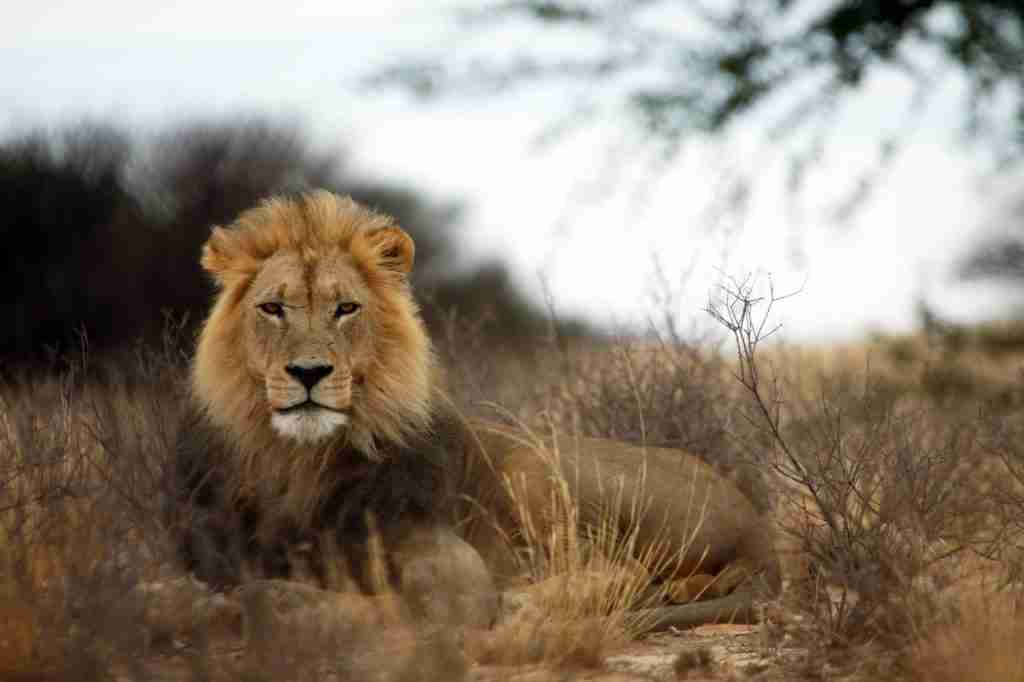
3. A male’s mane signals age, health, and status.
Darker and fuller manes often mean better health and strength. Rivals notice it and may avoid a fight they could lose.
Manes also give some neck protection during clashes. In very hot regions, some males grow smaller manes or none.
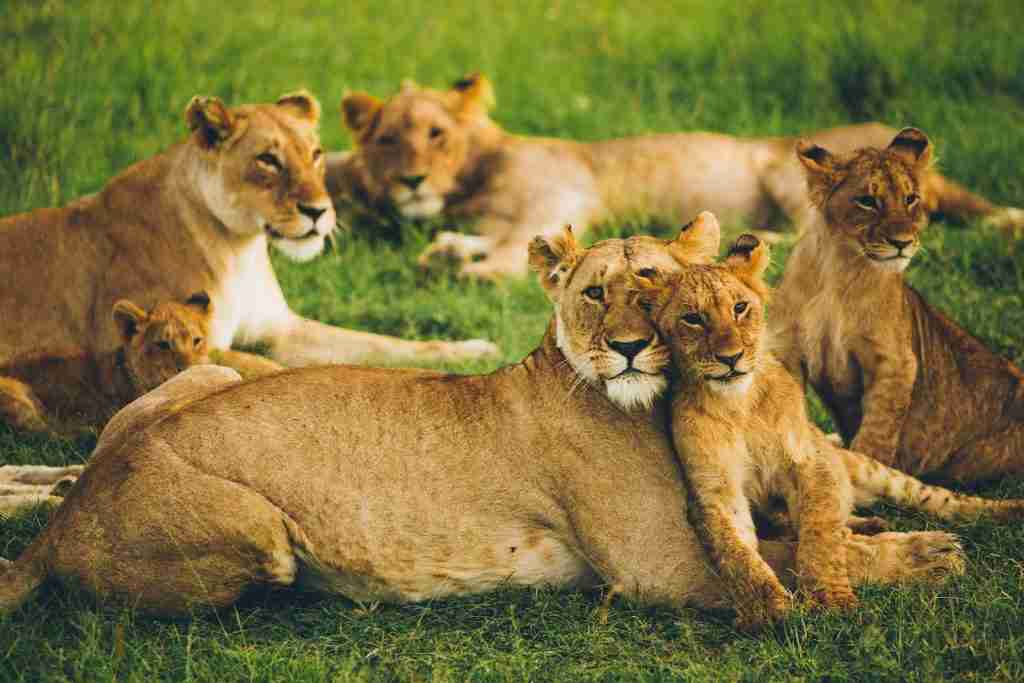
4. Female lions are the primary hunters.
READ ALSO: 25 Fun Facts About Swans That Will Blow Your Mind
Through strategic planning and synchronized movements, lionesses utilize their intelligence and collective strength to bring down large animals such as wildebeest, zebra, and buffalo.
This division of labor allows the females to secure sustenance for the entire pride, showcasing their essential contribution to the survival and well-being of the group.
As adept and skilled hunters, lionesses exemplify the power of female collaboration in the African savannas.
5. Male lions without a pride often form coalitions.
Brothers or unrelated males sometimes team up for survival. Together, they have a better chance to take over a pride.
Coalitions can rule for years if they defend well. When they weaken, younger rivals take their place.
6. Cubs are raised with shared care from several females.
All the mothers in a pride nurse each other’s cubs. This increases the young ones’ survival chances in the wild.
It also creates strong bonds between pride members. Cubs learn social skills from multiple adults early on.
7. Wild lions live shorter lives than those in captivity.
In the wild, lions often live between ten and fourteen years. Captive lions can reach over sixteen years with proper care.
Wild life is full of risks from injury and competition. In zoos, regular feeding and medical care extend their lifespan.
8. Lions are primarily nocturnal.
READ ALSO: 24 Beautiful Facts About Butterflies You Didn’t Know
As the sun sets over the African savannas, these magnificent predators come alive, relying on their exceptional night vision to stalk and hunt their prey under cover of darkness.
Their nocturnal habits also help them avoid the day’s scorching heat, allowing them to conserve energy and stay cool in their arid habitats.
During the night, the echoing roars of lions resonate across the plains, marking their presence as the rulers of the night in the African wilderness.
9. White lions are not albino but have a genetic condition.
Their pale coats come from a rare recessive gene. Eye and skin color remain normal, unlike true albinos.
They can survive in the wild but are more visible to prey. Many live in reserves to protect their population.
10. Male lions often eat before females and cubs.
After a kill, males claim the first share of meat. Females and cubs wait until the dominant males finish eating.
This behavior can cause conflict during feeding time. However, it also helps keep dominant males strong enough to defend the pride.
11. A lion’s roar can reach one hundred fourteen decibels.
This makes it one of the loudest sounds among land mammals. The roar is powerful enough to be felt as a vibration.
It warns rivals and calls pride members over long distances. The sound helps keep family members connected in the wild.
12. Lions are opportunistic eaters and will scavenge if the opportunity arises.
READ ALSO: 24 Interesting Facts About Bobcats: Fierce & Fuzzy
In times of scarcity or when hunting is less successful, lions are open to feeding on the remains of carcasses left behind by other predators. This survival strategy showcases their resourcefulness and ability to sustain themselves even in challenging conditions.
As skilled hunters and opportunistic feeders, lions are versatile in obtaining nourishment in the vast and ever-changing African landscape.
13. Cubs are hidden for the first few weeks of life.
Mothers keep them away from the pride until they are stronger. This reduces the risk of injury or predation.
When introduced, cubs quickly learn pride behaviors. They also build social bonds with other members early on.
14. Some prides specialize in hunting specific prey.
In certain regions, lions focus on animals like buffalo or zebra. They adapt their techniques to match the chosen prey.
This specialization increases their efficiency during hunts. It also shapes the skills passed down to younger lions.
15. Maneless male lions are common in some hot regions.
In places like Tsavo, Kenya, males often lack manes. This may help them stay cooler in high temperatures.
Despite having no mane, they remain strong and dominant. Their status is shown through behavior rather than appearance.
16. Lions are known for their elaborate courtship rituals.

READ ALSO: 24 Fun Facts About Penguins You Never Knew
Within the intricate social structure of a lion pride, courtship rituals and displays of affection play a crucial role in fostering strong bonds between members. As potential mates come together, they engage in elaborate behaviors, including gentle nuzzling, grooming, and affectionate interactions.
These intimate moments reinforce the unity and trust within the pride, solidifying the foundation for successful cooperation and collective hunting efforts.
17. Cubs are born blind and open their eyes after a week.
At birth, cubs depend fully on their mother for safety and food. They start exploring their surroundings after gaining vision.
Early days are the most dangerous for survival. Many do not reach adulthood due to threats from predators and starvation.
18. Males often patrol and defend pride boundaries.
They walk the edges of the territory to check for intruders. Roaring loudly lets rivals know the area is taken.
This behavior helps maintain control over valuable hunting grounds. Without it, other lions might challenge for the land.
19. White lions are a rare genetic variation of lions.
White lions are a captivating rarity, showcasing distinct pale fur and striking blue eyes. This unique and mesmerizing appearance results from a recessive gene, leading to their stunning coloration.
While their physical attributes may differ from their tawny counterparts, white lions maintain the same majestic and regal characteristics, making them iconic symbols of strength and grace.
As a result of their rarity and allure, white lions have become a subject of fascination and admiration for enthusiasts and wildlife lovers worldwide.
20. Lion symbolizes courage and strength in various cultures and civilizations.

READ ALSO: 22 Fun Facts About Pandas | Unleashing the Cuteness
Their powerful presence in mythology, art, and folklore signifies their association with leadership, valor, and majesty.
From ancient Egyptian depictions of lion-headed deities to medieval knights using the lion as a symbol of bravery, these regal creatures have left an indelible mark on human consciousness.
To this day, lions continue to be revered as iconic emblems of courage, reminding us of the enduring allure and fascination with these magnificent beasts.
21. A lion’s tongue has rough spines called papillae.
These backward-facing hooks strip meat from bones with ease. They also act like a brush that cleans and detangles fur.
Papillae make a lick feel like sandpaper on skin. The texture helps lions groom cubs and themselves effectively.
22. Whisker spot patterns are unique to each lion.
Dark spots where whiskers meet the muzzle form a fixed map. Researchers use photographs of these spots to identify individuals.
This method avoids disturbance and tracks prides over years. Long studies rely on these facial markers for accurate records.
23. Gestation lasts about one hundred ten days.
Females give birth to litters of one to six cubs. Most litters have two to three cubs in many regions.
Mothers hide newborns for several weeks before introductions. Seclusion lowers risks while cubs gain strength and coordination.
FAQs
What are the special features of a lion?
Male lions grow manes that signal age and status. Powerful jaws and retractable claws aid hunting. Keen night vision and a far-carrying roar help communication and defense.
What were lions first called?
English “lion” comes from Latin “leo” and Greek “leōn.” Old English used “leon” or “leo.” In Swahili, people say “simba.”
What are 100 lions called?
There is no special term for exactly one hundred lions. A group is called a pride. One hundred lions would be many prides together.
What unique traits set lions apart from other big cats?
Lions are the only big cats that live in prides. Females cooperate to hunt and raise cubs. Males defend territory and cubs from rivals.
How does a lion move?
Lions stalk low and step softly on padded paws. They sprint in short bursts up to about 80 km/h. A pounce, claws, and body weight finish the takedown.
More big cat facts
For the speed champion of the cat family, read these fun facts about a cheetah.